HomeCategoriesDaily FeedBlogAboutContactShare Facts
Space And Astronomy
Back to Categories

Category

Space And Astronomy

Space is not empty, it’s full of things we don’t understand. From black holes to unexplained signals, the universe is way stranger than you think.

19 facts

Showing 1–8 of 19 facts

Venus Spins Backwards Slower Than It Orbits
Space And Astronomy
#Venus#planetary rotation#solar system
Venus Spins Backwards Slower Than It Orbits

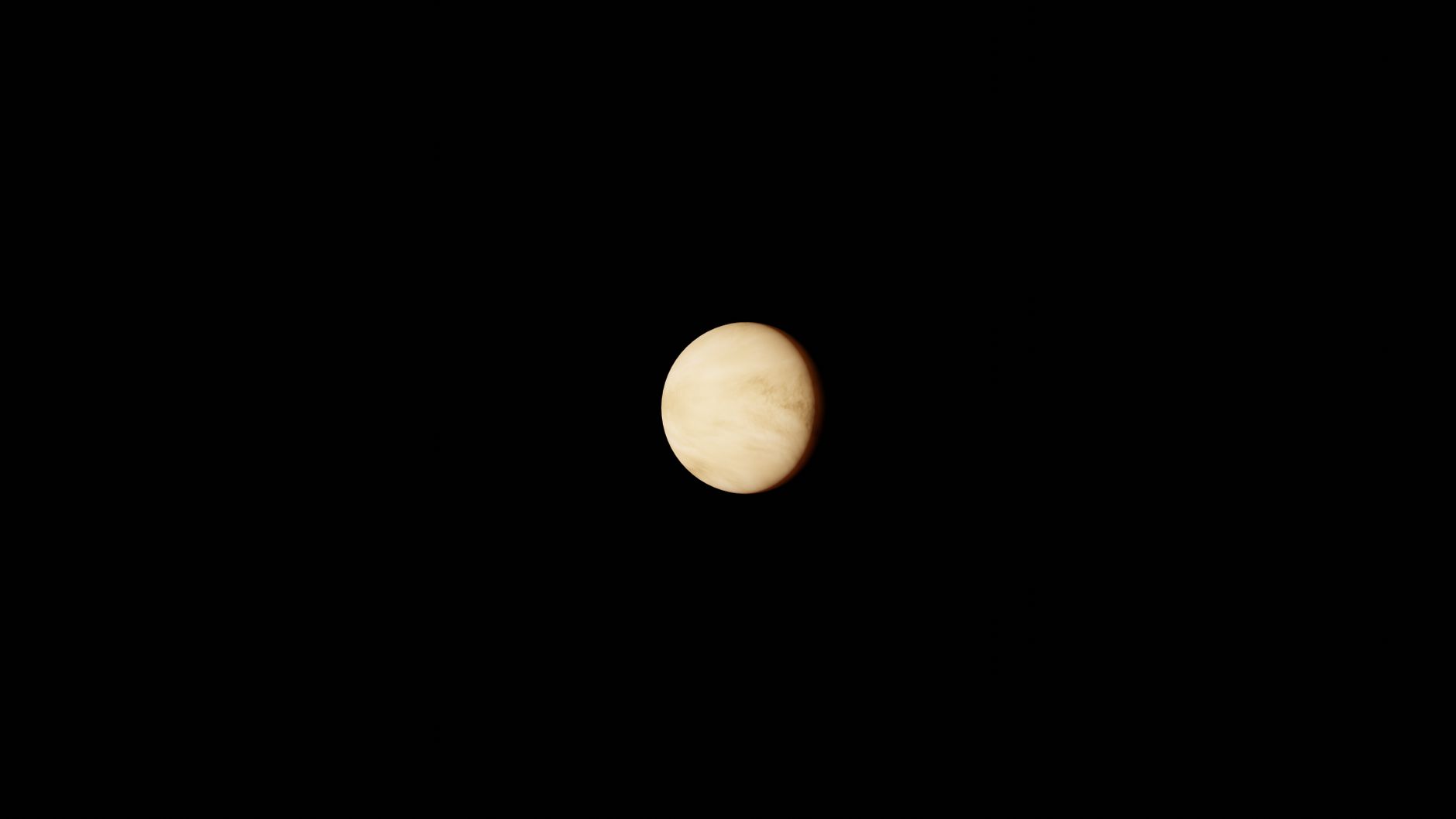
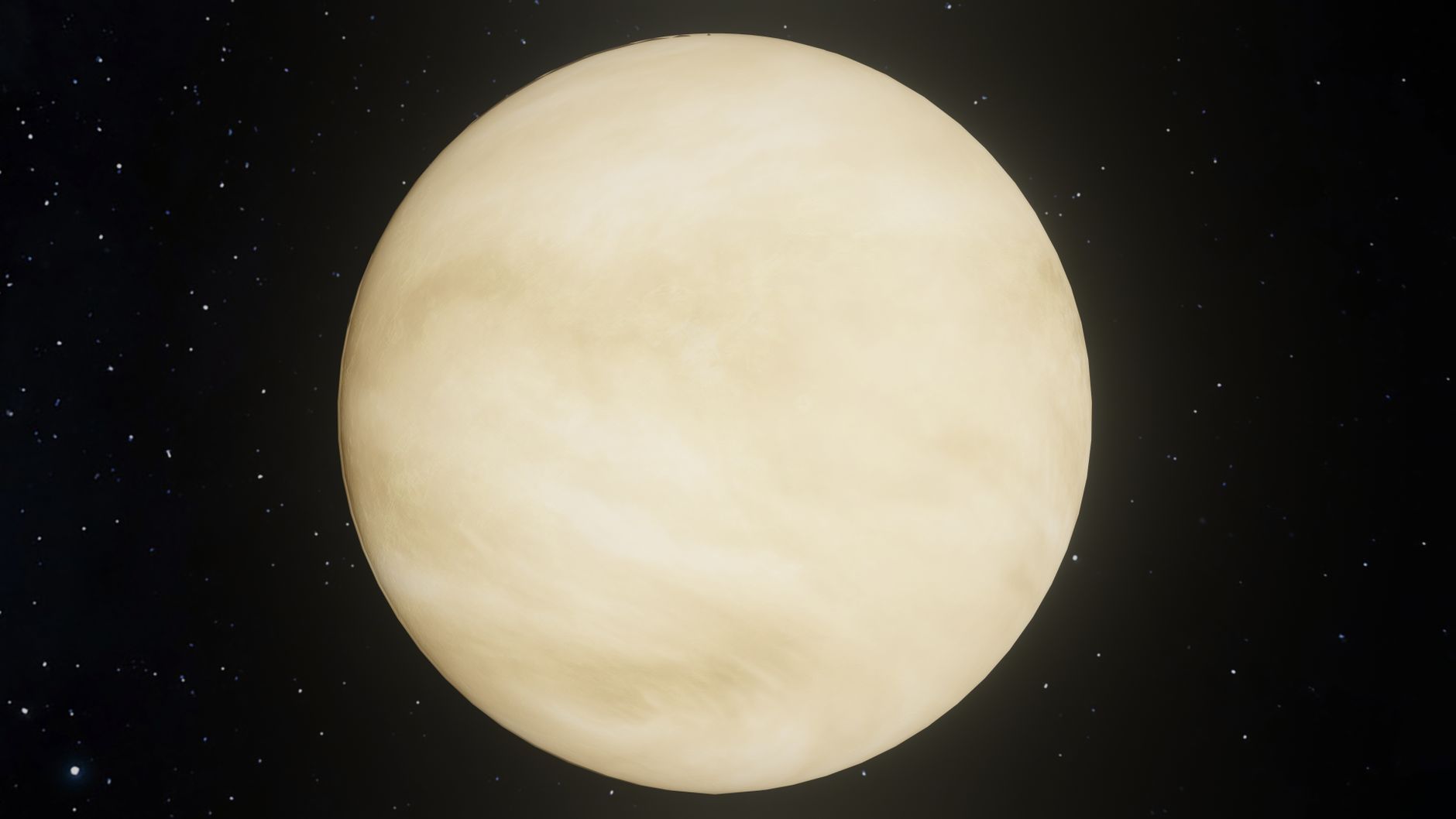
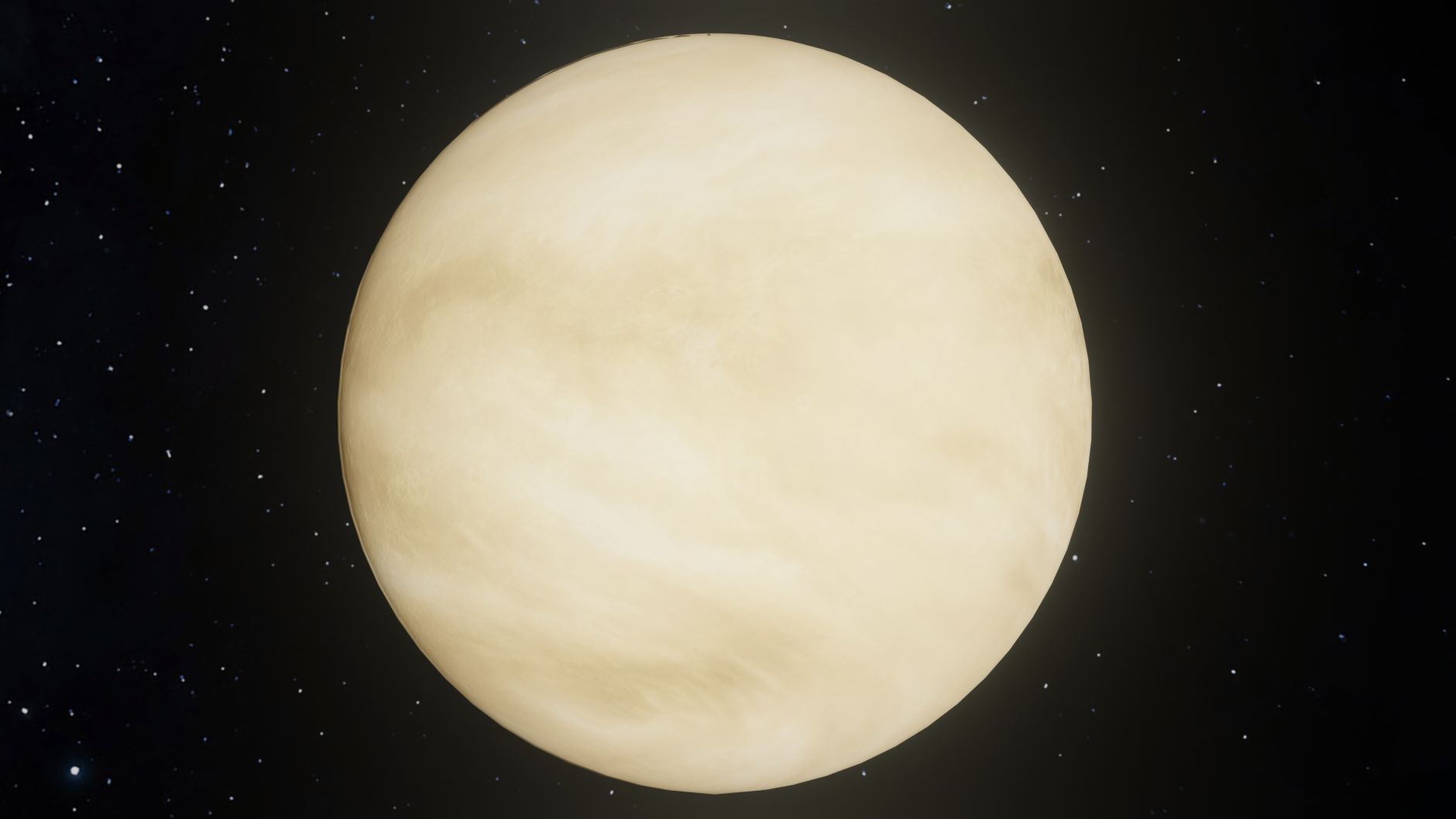
"Venus does something genuinely strange. It rotates on its axis so slowly that a single day on Venus, measured from sunrise to sunrise, takes 243 Earth days. A year on Venus, by contrast, takes only 225 Earth days. This means Venus completes its orbit around the sun faster than it completes one full rotation on its own axis. Even stranger, Venus rotates backwards compared to most planets. While Earth and most others spin counterclockwise when viewed from above the North Pole, Venus spins clockwise. Scientists still debate why. The leading theory involves massive asteroid collisions early in Venus's history that gradually reversed its rotation and slowed it to a crawl. The result is that if you stood on Venus's surface near the equator, the sun would appear to move across the sky from west to east, opposite to what we see on Earth. The sun would move slowly, staying visible for roughly 60 Earth days before setting. Then night would last another 60 days before sunrise returned. This extreme rotation affects Venus's atmosphere too. The planet's thick cloud layers zip around the planet in just four Earth days, creating winds that move far faster than the surface itself rotates. The atmosphere essentially moves independent of the solid ground beneath it."

Jul 19, 202600
Venus Rotates Backwards Slower Than It Orbits
Space And Astronomy
#Venus#planetary rotation#retrograde rotation
Venus Rotates Backwards Slower Than It Orbits

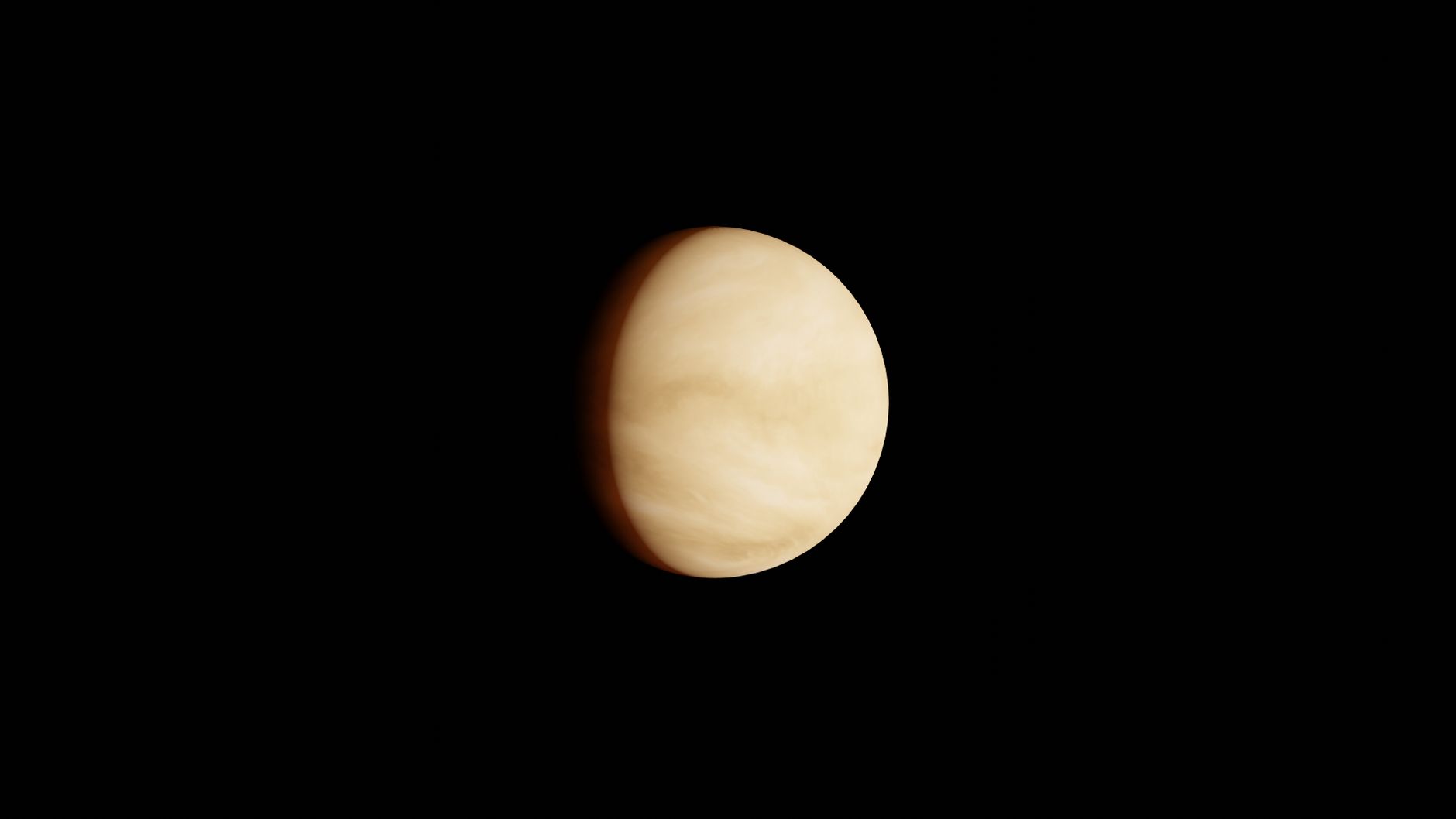
"Venus does something almost no other planet does: it rotates backwards. While most planets spin counterclockwise when viewed from above the North Pole, Venus spins clockwise. But here's where it gets truly strange. Venus takes 243 Earth days to complete one rotation on its axis, yet it only takes 225 Earth days to orbit the sun. This means a single day on Venus is actually longer than its year. If you stood on Venus and watched the sun, it would rise in the west and set in the east, moving in slow motion across the sky. Scientists still debate what caused this unusual rotation. The leading theory suggests that billions of years ago, a massive collision with another planetary body flipped Venus on its side and reversed its spin. Another possibility involves the thick atmosphere of Venus, which rotates much faster than the planet itself, potentially exerting enough drag over time to gradually slow and reverse the rotation. The backwards spin also means Venus's magnetic field, if it existed, would point in the opposite direction from Earth's. This peculiarity makes Venus one of only two planets in our solar system with retrograde rotation, the other being Uranus."

Jul 18, 202600
Venus Spins Backwards Slower Than It Orbits
Space And Astronomy
#Venus#Planetary rotation#Solar system
Venus Spins Backwards Slower Than It Orbits

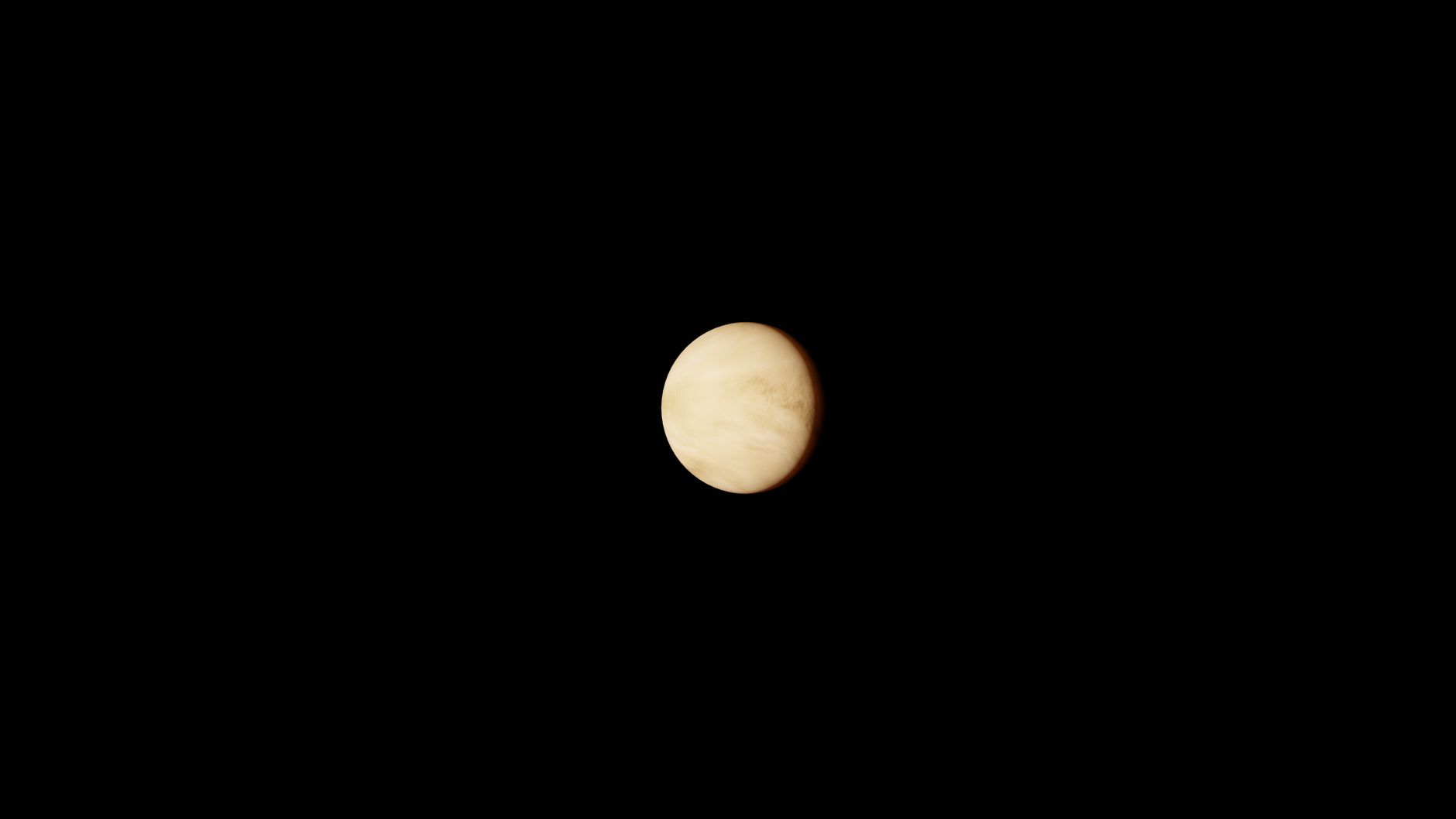
"Venus rotates so slowly that it takes 243 Earth days to complete one spin on its axis, but only 225 days to orbit the sun. This means a day on Venus is actually longer than its year. Even stranger, Venus rotates backwards relative to most planets in our solar system, a phenomenon called retrograde rotation. Scientists still debate why this happened. The leading theory suggests that billions of years ago, a massive collision with another planetary body knocked Venus sideways and reversed its spin. Another possibility involves the sun's gravitational pull gradually reversing the planet's rotation over time. What we know for certain is that Venus's thick atmosphere, which creates surface temperatures hot enough to melt lead, makes direct observation difficult. Radar mapping from orbiting spacecraft has been our best tool for understanding the planet's rotation. The backward spin combined with the planet's extreme atmospheric pressure creates wind patterns that circle the entire planet in just four days, much faster than the planet itself rotates. This disconnect between surface rotation and atmospheric movement remains one of the more puzzling aspects of Venus's behavior."

Jul 11, 202600
Venus Spins Backwards and Takes 243 Days to Rotate Once
Space And Astronomy
#Venus#planetary rotation#solar system
Venus Spins Backwards and Takes 243 Days to Rotate Once

"Venus rotates so slowly that a single day on the planet lasts longer than its year. The planet completes one full orbit around the sun in 225 Earth days, but it takes 243 Earth days for Venus to spin once on its axis. This means Venus experiences fewer days than years, a phenomenon unique among planets in our solar system. Even stranger, Venus rotates backwards compared to most planets. While Earth and most others spin counterclockwise when viewed from above the North Pole, Venus spins clockwise. Scientists believe a massive collision early in Venus's formation likely knocked the planet sideways and reversed its rotation. The slow rotation creates another oddity: the sun rises in the west and sets in the east on Venus. If you could somehow stand on the surface, you would see the sun move backwards across the sky. The planet's thick atmosphere also traps heat so effectively that surface temperatures reach 900 degrees Fahrenheit, hot enough to melt lead. This combination of extreme heat, crushing atmospheric pressure, and backwards rotation makes Venus one of the most hostile places in our solar system."

Jun 30, 202600
Venus Spins Backwards Slower Than It Orbits
Space And Astronomy
#Venus#planetary rotation#solar system
Venus Spins Backwards Slower Than It Orbits

"Venus does something genuinely strange among planets in our solar system. It rotates on its axis so slowly that a single day on Venus, measured from sunrise to sunrise, actually takes longer than a Venusian year. One rotation takes about 243 Earth days, while Venus completes its entire orbit around the sun in just 225 Earth days. More peculiar still, Venus rotates backwards compared to most planets. If you stood on Venus and watched the sun, it would rise in the west and set in the east, the opposite of Earth. Scientists aren't certain why this retrograde rotation happens. The leading theory involves a massive collision early in Venus's history that flipped its rotation, though some models suggest atmospheric interactions with solar radiation may have gradually reversed it over time. This backward spin also means Venus's upper atmosphere moves faster than the planet rotates. Winds in the Venusian clouds circle the entire planet in just four Earth days, creating hurricane-force speeds of 360 kilometers per hour. The planet's thick carbon dioxide atmosphere, combined with this odd rotation, traps heat so effectively that Venus is hotter than Mercury despite being farther from the sun."

Jun 29, 202600
Neutron Stars Are So Dense a Teaspoon Weighs Billions of Tons
Space And Astronomy
#neutron stars#stellar collapse#extreme density
Neutron Stars Are So Dense a Teaspoon Weighs Billions of Tons

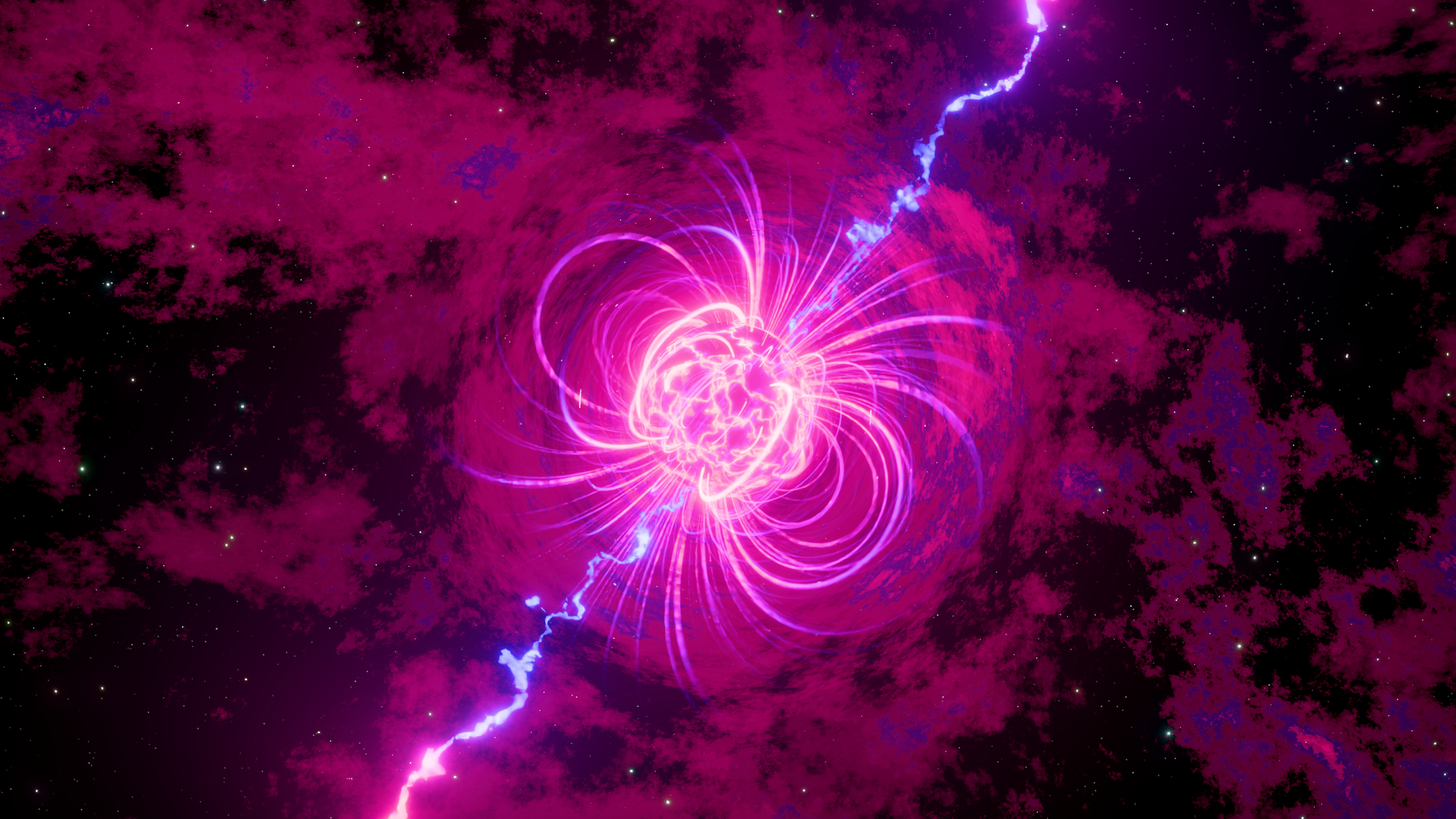
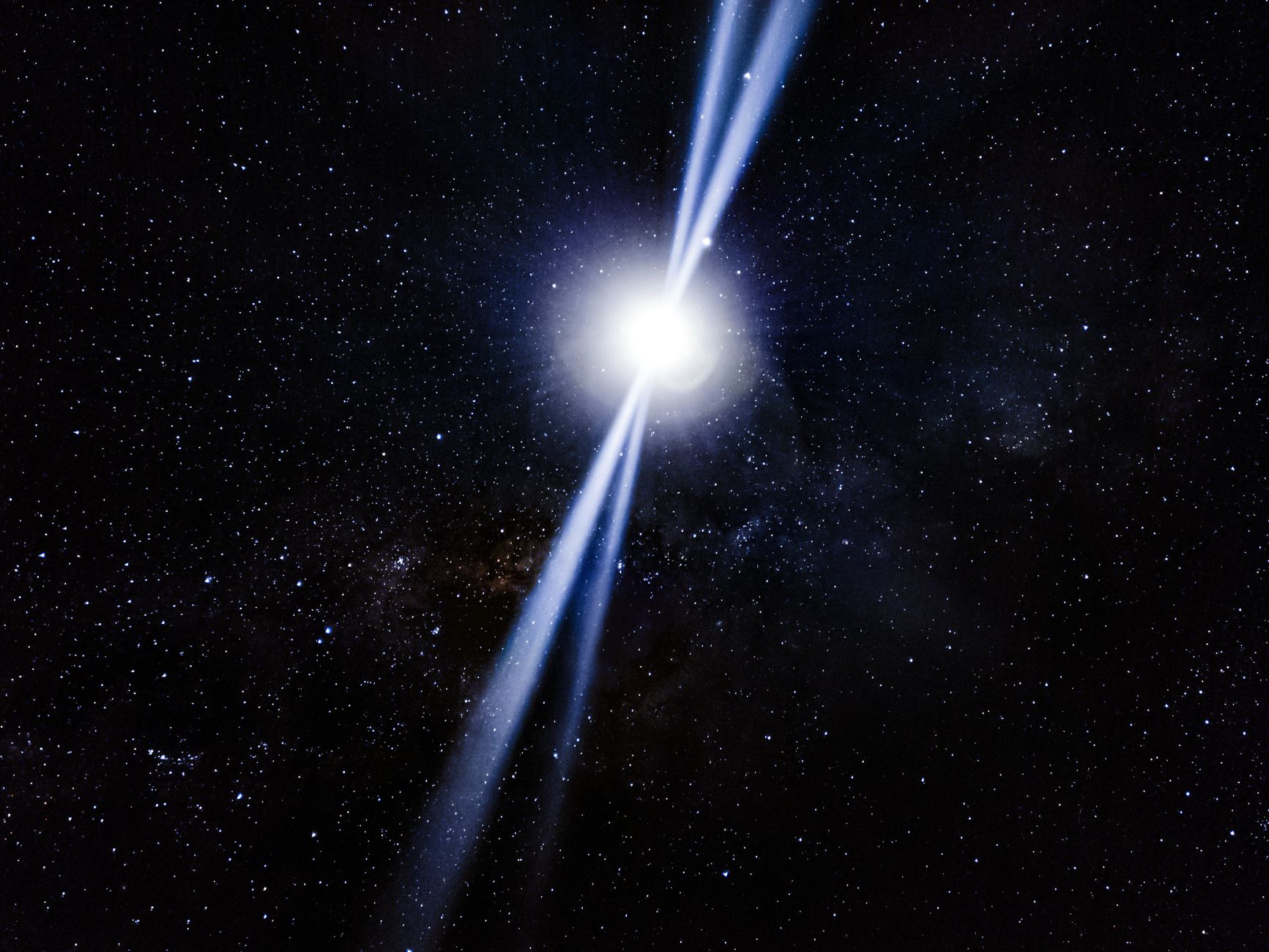
"Neutron stars represent one of the most extreme objects in the universe. When massive stars collapse at the end of their lives, their cores compress to such an unimaginable density that a teaspoon of neutron star material would weigh approximately 6 billion tons on Earth—roughly equivalent to the weight of Mount Everest. These stellar remnants are typically only 20 kilometers in diameter yet contain more mass than our entire Sun. A neutron star's gravity is so intense that it warps spacetime itself, and its surface gravity is about 200 billion times stronger than Earth's. Interestingly, neutron stars spin incredibly fast—some rotating hundreds of times per second—creating lighthouse-like beams of radiation called pulsars. The neutrons are packed so tightly that if you tried to compress Earth to neutron star density, it would shrink to the size of a marble. Despite their incredible density, neutron stars were only theoretically predicted in 1934 and not observationally confirmed until 1967 when astronomer Jocelyn Bell Burnell detected the first pulsar. Today, scientists study neutron stars to understand the behavior of matter under extreme conditions that cannot be replicated in laboratories, providing insights into fundamental physics."

Jun 29, 202600
Venus Rotates Backwards—And Slower Than It Orbits
Space And Astronomy
#Venus#planetary rotation#solar system
Venus Rotates Backwards—And Slower Than It Orbits

"Venus is a planetary oddity with a rotation so slow and retrograde that it takes 243 Earth days to complete one full spin on its axis, yet only 225 days to orbit the Sun. This means a Venusian day is actually longer than its year. Even more bizarre, Venus rotates backwards compared to most planets—its axis is tilted at 177 degrees, making it spin clockwise when viewed from above the North Pole, opposite to Earth's counterclockwise rotation. Scientists believe a massive collision early in Venus's history knocked it sideways, fundamentally altering its rotation. The extreme greenhouse effect on Venus, with surface temperatures reaching 900°F (475°C), may have gradually slowed its rotation through atmospheric friction over billions of years. Adding another layer of strangeness: the Sun rises in the west and sets in the east on Venus. These peculiarities make Venus one of the most scientifically fascinating planets in our solar system, offering crucial insights into planetary formation and evolution. Understanding Venus's unusual characteristics helps astronomers predict how exoplanets might behave and how planetary atmospheres can dramatically transform a world."

Jun 25, 202600
Neutron Stars Are So Dense a Teaspoon Weighs 6 Billion Tons
Space And Astronomy
#neutron stars#stellar physics#extreme density
Neutron Stars Are So Dense a Teaspoon Weighs 6 Billion Tons

"Neutron stars represent some of the most extreme objects in the universe. When massive stars—at least 20 times the Sun's mass—reach the end of their lives, they undergo catastrophic core collapse. The result is a neutron star: a stellar remnant so incredibly dense that matter is compressed to nuclear density. To grasp the scale: a neutron star typically has a mass equivalent to our entire Sun squeezed into a sphere only about 20 kilometers (12 miles) in diameter. This creates an unimaginable density where a teaspoon of neutron star material would weigh approximately 6 billion tons on Earth—equivalent to the weight of Mount Everest concentrated in a single spoon. Neutron stars spin incredibly fast, some completing rotations hundreds of times per second. As they spin, they emit beams of radiation from their magnetic poles, creating the phenomenon known as pulsars. These cosmic lighthouses have been so precise that scientists use them as cosmic clocks, accurate to microseconds over years. The physics governing neutron stars pushes our understanding of matter to its limits. Their surfaces feature mountains only millimeters high (due to the immense gravity), and their cores may contain even stranger matter—possibly strange quark matter. Studying neutron stars helps physicists understand the fundamental nature of matter under conditions impossible to replicate on Earth."

Jun 24, 202600