HomeCategoriesDaily FeedBlogAboutContactShare Facts
Weird Insects
Back to Categories

Category

Weird Insects

Some insects don’t just look strange, they act like something out of a horror story. Mind control, body takeover, and survival tactics that feel almost unreal.

27 facts

Showing 1–8 of 27 facts

The Mantis Shrimp's Fist Hits as Hard as a .22 Bullet
Weird Insects
#mantis shrimp#animal weapons#cavitation
The Mantis Shrimp's Fist Hits as Hard as a .22 Bullet

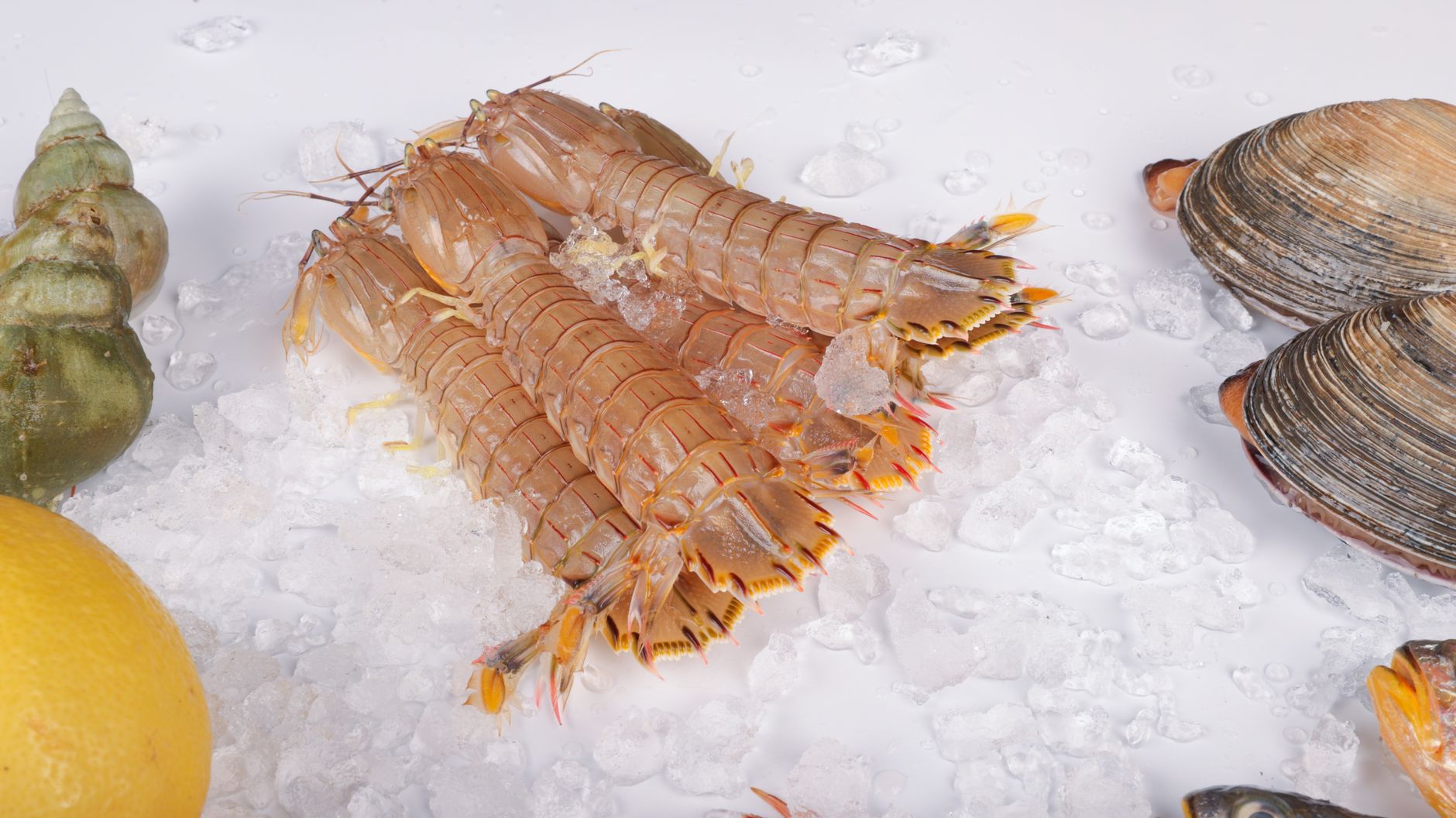
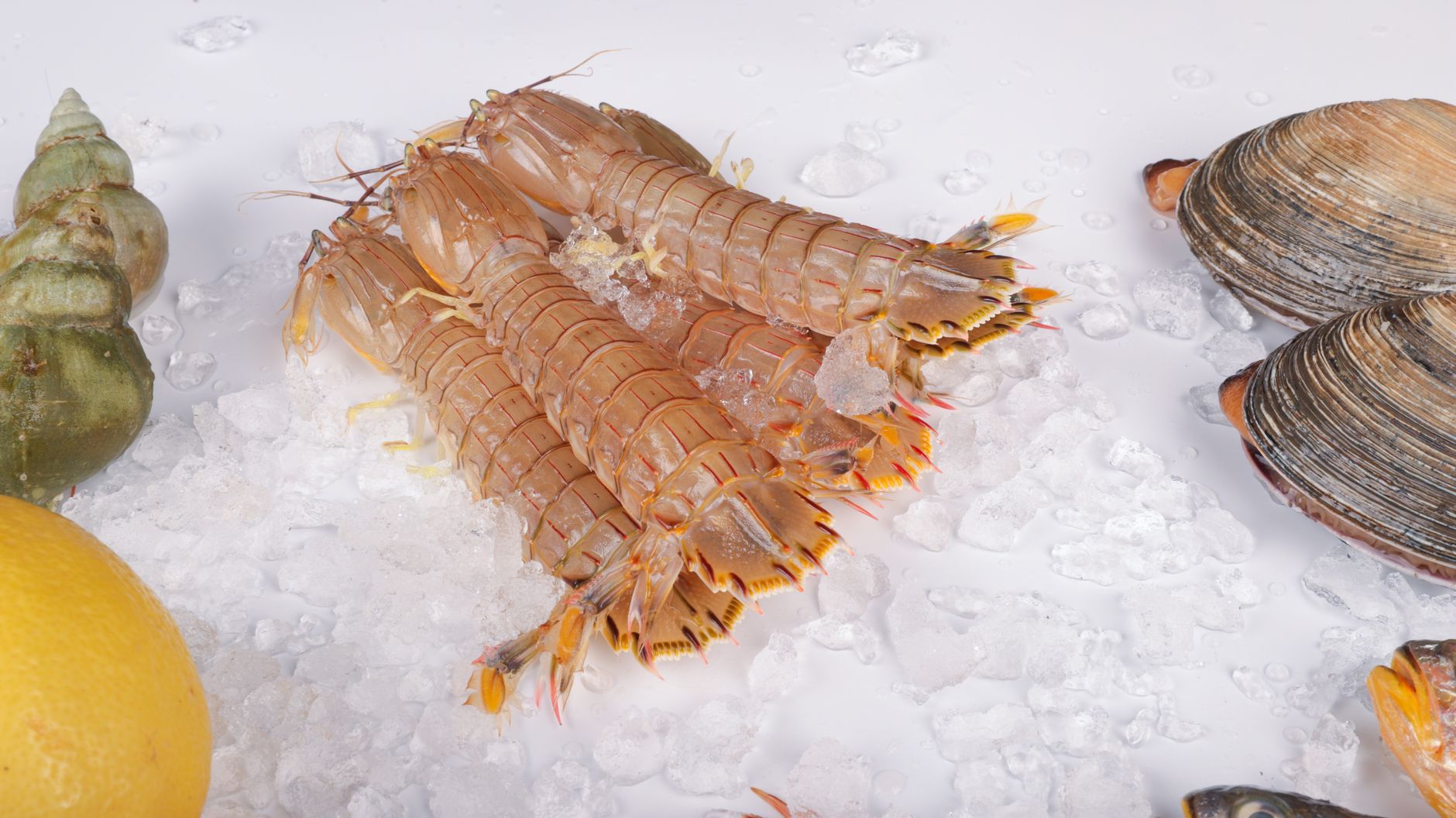
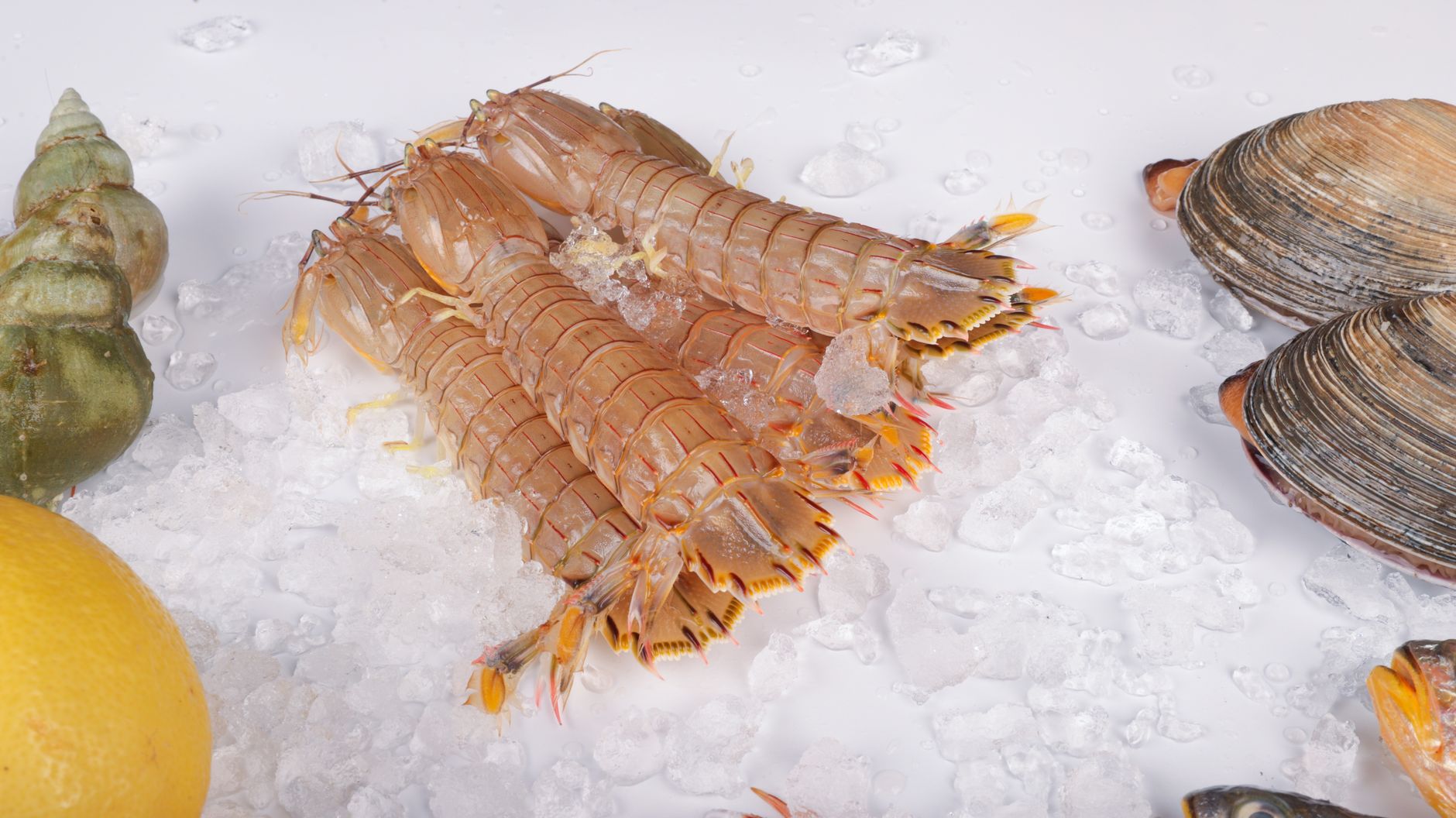
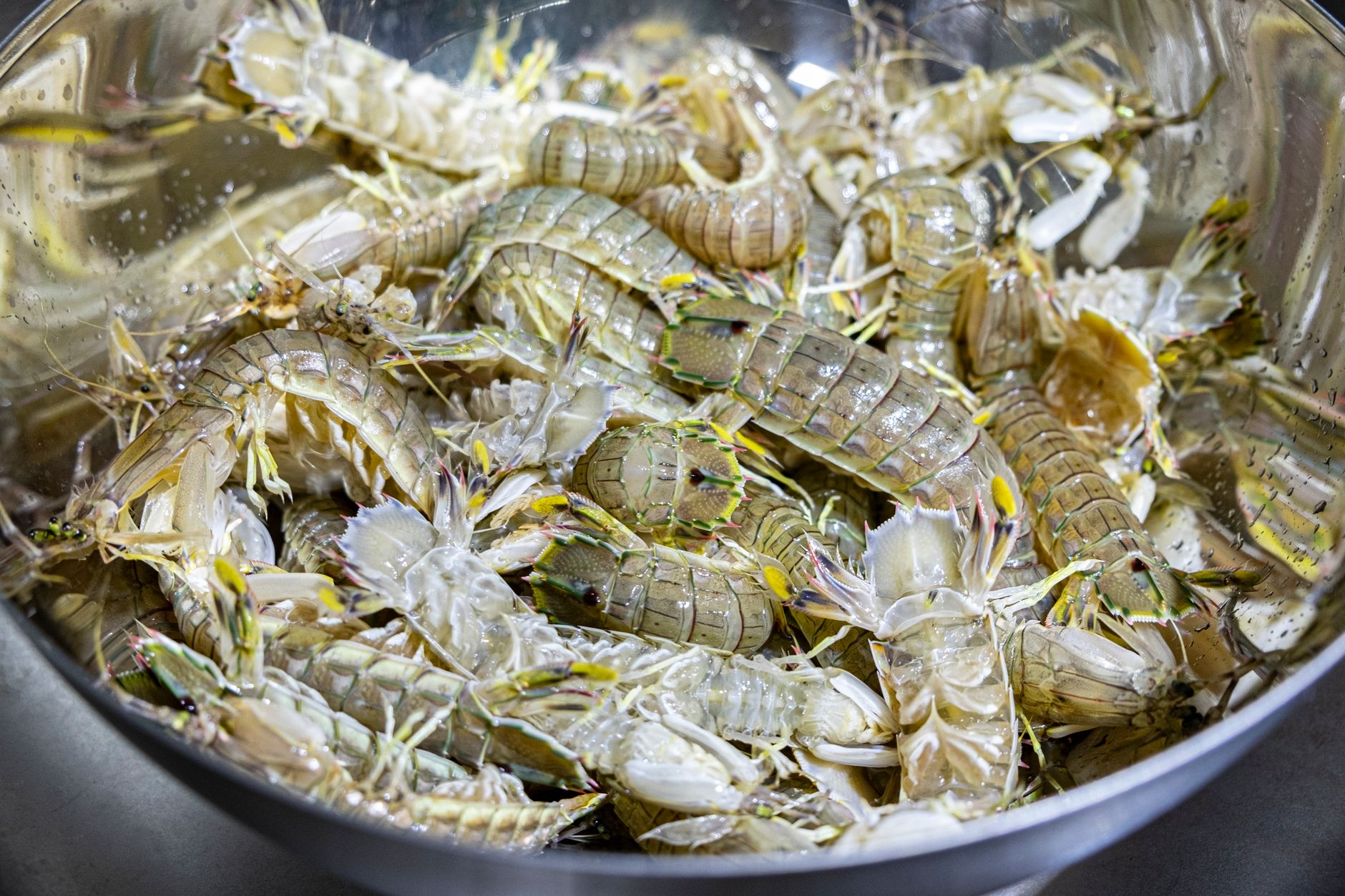
"The mantis shrimp doesn't just punch. It accelerates its raptorial claws so fast that the water around the impact cavitates, creating a shock wave that stuns or kills prey before the limb even makes contact. The velocity reaches 50 miles per hour in milliseconds. That shock wave alone can fracture the shells of crabs and mollusks from a distance. What makes this weirder is the shrimp's eyesight. While humans see three types of color receptors, the mantis shrimp has 12 to 16 types. Researchers still don't fully understand how it processes that much visual information. The shrimp lives in murky ocean environments where this superhuman color vision gives it a massive hunting advantage. The punch itself is so violent that researchers studying these animals in labs have had to reinforce their tanks with thick acrylic to prevent the shrimp from shattering the walls. The force generated is comparable to a .22 caliber bullet. Some species use the same mechanism for spearing, while others use it for smashing. A single mantis shrimp can be both a sniper and a boxer depending on what prey it encounters. This isn't flashy evolution for show. Every adaptation solves a specific problem in a lightless, competitive reef environment where milliseconds determine survival."
Jul 22, 202600
The Mantis Shrimp Punches With the Force of a Bullet
Weird Insects
#mantis shrimp#extreme animals#ocean predators
The Mantis Shrimp Punches With the Force of a Bullet

"The mantis shrimp doesn't just see in ways humans can barely comprehend. It also hits with the acceleration of a .22 caliber bullet. When hunting, this crustacean whips its front limbs forward at speeds exceeding 50 miles per hour, creating a shock wave in the water that stuns or kills prey before the appendage even makes contact. The acceleration is so violent that the water itself collapses inward around the strike, a phenomenon called cavitation. That collapse generates a burst of light and heat hot enough to briefly reach temperatures comparable to the surface of the sun. Small fish near the impact zone experience the equivalent of being struck by an invisible hammer. The mantis shrimp's appendages are reinforced with a unique layered structure that absorbs the recoil without breaking. Some species can deliver these strikes up to 50 times per second. Researchers have studied their punching mechanics for insights into impact-resistant materials and armor design. What makes this even stranger is that the mantis shrimp sees the world through 12 to 16 color receptors in its eyes, compared to the human three. It processes visual information in ways we still don't fully understand. This creature evolved in coral reefs where it hunts in complex, colorful environments using both brute force and sensory perception that remains partially mysterious."

Jul 21, 202600
Insects That Weaponize Their Own Exploding Bodies
Weird Insects
#exploding ants#insect defense#animal behavior
Insects That Weaponize Their Own Exploding Bodies

"Certain ant species have evolved a survival mechanism so extreme that workers will literally detonate themselves to protect the colony. When a termite threat approaches a nest of Malaysian exploding ants, older workers contract their abdominal muscles with such force that their bodies rupture, releasing a toxic, sticky fluid that kills or immobilizes the invaders. The ant dies in the process, but the chemical spray covers the enemy and prevents further invasion. This isn't a last resort. It's standard colony defense. Workers have specialized glands loaded with these toxins, and they use them deliberately. Researchers discovered the behavior by observing colonies under threat and finding dead ants with ruptured bodies and the telltale chemical residue nearby. What makes this stranger still is that the ants don't seem to sacrifice randomly. They appear to choose older workers, preserving younger, more reproductively valuable individuals. The behavior evolved because the benefit to the colony's survival outweighs the cost of losing individual workers. In a system where one colony can contain millions of ants, losing dozens to save thousands makes evolutionary sense. The mechanism challenges our assumptions about self-preservation. These ants don't flee danger or fight back passively. They've weaponized their own bodies as expendable defensive tools, turning death itself into a strategy."

Jul 20, 202600
Insects That Weaponize Their Own Explosions
Weird Insects
#bombardier beetle#chemical defense#insects
Insects That Weaponize Their Own Explosions

"Bombardier beetles don't just spray acid when threatened. They mix two separate chemicals stored in their abdomen, hydrogen peroxide and hydroquinone, inside a specialized chamber lined with catalytic enzymes. The reaction happens so fast it reaches temperatures of 212 degrees Fahrenheit, the boiling point of water. The beetle can aim this scalding, caustic spray with surprising accuracy by rotating its abdomen, firing in multiple directions to repel predators or rivals. The whole process takes milliseconds. Some species can fire up to 20 times in rapid succession without running out of ammunition. The sound of the reaction is loud enough to startle larger animals. Scientists have studied these beetles for decades because their internal chemistry lab represents one of nature's most sophisticated defensive mechanisms, rivaling some human industrial processes in efficiency. The spray doesn't just hurt, it stinks, adding a chemical deterrent to the physical damage. Predators that have been hit once rarely try again."

Jul 15, 202600
The Mantis Shrimp Punches With the Force of a Bullet
Weird Insects
#mantis shrimp#extreme predators#animal behavior
The Mantis Shrimp Punches With the Force of a Bullet

"The mantis shrimp possesses the most complex eyes in the animal kingdom, with 16 color receptors compared to humans' three. But that's not what makes it truly bizarre. When hunting, this creature accelerates its raptorial claws at over 50 miles per hour, generating cavitation bubbles that collapse with such violent force they stun or kill prey outright, even if the punch misses entirely. The shockwave alone can reach temperatures hotter than the surface of the sun. A mantis shrimp strikes so fast that its prey has no time to react, and the impact produces light in the visible spectrum from the energy release. Aquarium handlers have documented mantis shrimp breaking through thick glass with repeated strikes, a habit that has led to their housing in specialized acrylic tanks rather than conventional glass enclosures. Scientists studying the mechanism discovered that the shrimp's claw structure absorbs and distributes the recoil energy with remarkable efficiency, preventing the creature from injuring itself despite delivering blows equivalent to a 22-caliber bullet. This predatory efficiency, combined with their unparalleled color vision, makes mantis shrimp one of nature's most formidable hunters in shallow reef environments."

Jul 13, 202600
The Mantis Shrimp Punches With the Force of a Bullet
Weird Insects
#mantis shrimp#animal strength#hunting adaptation
The Mantis Shrimp Punches With the Force of a Bullet

"The mantis shrimp, a creature barely longer than a human hand, delivers one of the most powerful strikes in the animal kingdom. When hunting, it accelerates its raptorial claws at speeds exceeding 50 miles per hour, generating impact forces comparable to a .22 caliber bullet. The blow happens so fast, in roughly 3 milliseconds, that it creates a shock wave in the water that stuns or kills prey even if the strike itself misses. The shrimp's appendages are reinforced with a layered structure of chitin and mineral, similar to composite materials used in aerospace engineering, which allows them to withstand repeated impacts without fracturing. This hunting mechanism is so effective that the mantis shrimp can crack open shells, mollusks, and crabs with ease, making it one of the ocean's most formidable predators despite its small size. Scientists have studied the mantis shrimp's punch to develop better body armor and impact-resistant materials. The creature also possesses the most complex vision system known to science, with some species capable of seeing 16 types of color receptors compared to the three humans have, allowing it to navigate and hunt in the complex reef environments where it lives."

Jun 30, 202600
Mantis Shrimp: The Insect with Superman Vision
Weird Insects
#mantis shrimp#color vision#ocean predators
Mantis Shrimp: The Insect with Superman Vision

"The mantis shrimp isn't actually an insect—it's a crustacean—but it possesses one of nature's most extraordinary visual systems. While humans see three color receptors (red, green, blue), mantis shrimp have between 12 and 16 types of color photoreceptors, allowing them to perceive ultraviolet, visible, and polarized light simultaneously. This gives them a visual spectrum incomprehensibly richer than human vision. Their eyes operate independently, moving in different directions to scan their environment with 360-degree awareness. Even more remarkable, mantis shrimp can punch with the force of a .22 caliber bullet, generating shock waves that stun prey from up to 50 centimeters away. The impact creates cavitation bubbles that collapse with such violence they produce light and temperatures rivaling the sun's surface. Scientists believe their advanced color vision helps them communicate with potential mates through body patterns and signals invisible to other species. This combination of sensory sophistication and devastating power makes mantis shrimp apex hunters in coral reef ecosystems, capable of detecting and capturing prey with millisecond precision."

Jun 28, 202600
The Mantis Shrimp's Punch Packs the Force of a .22 Caliber Bullet
Weird Insects
#mantis shrimp#cavitation bubble#animal weapons
The Mantis Shrimp's Punch Packs the Force of a .22 Caliber Bullet

"The mantis shrimp, a seemingly unassuming marine creature, possesses one of nature's most devastating weapons. When hunting prey, this colorful crustacean can accelerate its raptorial claws at speeds exceeding 50 miles per hour, generating a cavitation bubble that implodes with such violent force it produces shock waves reaching temperatures hotter than the surface of the sun—around 4,800 Kelvin. This explosion alone can stun or kill prey from a distance, even if the actual strike misses. The impact force rivals that of a .22 caliber bullet, making the mantis shrimp one of the ocean's most formidable hunters despite its modest 6-12 inch size. Even more remarkably, mantis shrimp possess the most complex vision system known to science, with 12-16 types of color receptors compared to humans' three, allowing them to perceive ultraviolet, visible, and polarized light simultaneously. They can also see circularly polarized light, a capability unique among animals. These abilities combine to make mantis shrimp apex predators in their coral reef habitats, capable of hunting with precision and power that seems almost extraterrestrial for such a small organism."

Jun 25, 202600